Updated: · Plastay Kimya
Medical PVC plasticizers: documentation and validation
Selecting a medical-grade raw material is not approval of a finished medical device.
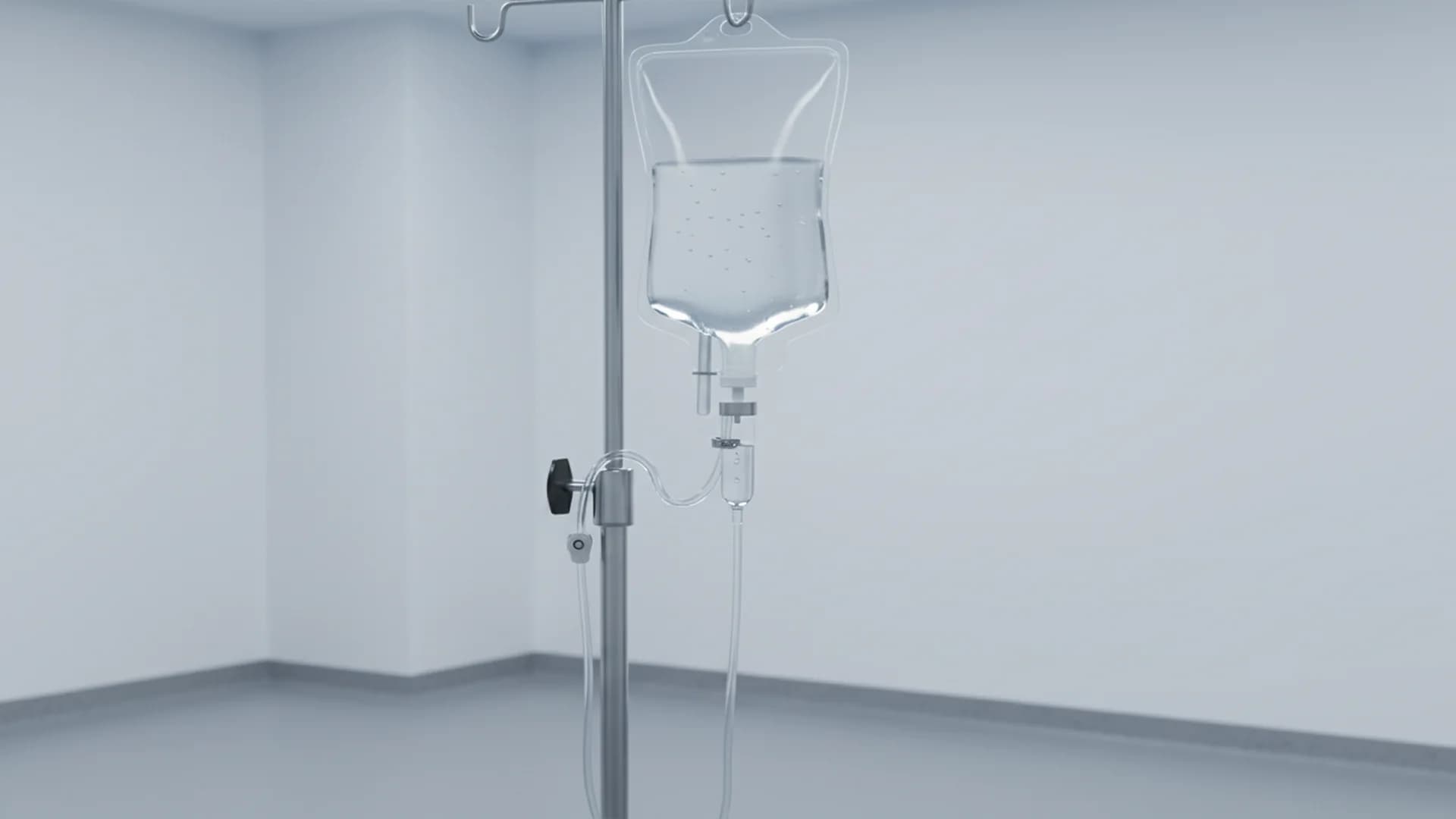
Selecting a medical-grade raw material is not approval of a finished medical device. Contact type and duration, device design, sterilisation and destination-market requirements change the assessment. The plasticizer family alone cannot establish biocompatibility or suitability for every medical application.
What is needed for a technical discussion?
Specify the device, patient-contact type and duration, and sterilisation method. The device manufacturer must establish the chemical characterisation, extraction and biological evaluation plan. Request product identity, batch traceability and available supporting documentation from the supplier. An SDS supports safe handling; it does not replace biological evaluation of the device.
Related products and technical evaluation
Med-X DOP — Medical-grade DOP plasticizer
A medical-grade raw material designation is not approval of a finished device. The device manufacturer must assess contact type and duration, extraction, sterilisation, biocompatibility and destination-market requirements together. Confirm current product documents with the technical team.
Discuss your application with the technical team →Optafleks TOTM ST-0.4 — Stabilized TOTM plasticizer
Evaluate ST-0.4 as a distinct grade rather than assuming it is identical to standard TOTM. Check stabilizer content, other stabilizers in the formulation and thermal targets together. Confirm dosage and processing conditions using the TDS and a production trial.
Discuss your application with the technical team →