Updated: · Plastay Kimya
How to assess technical progress in PVC additives
Technical progress needs comparable measurements.
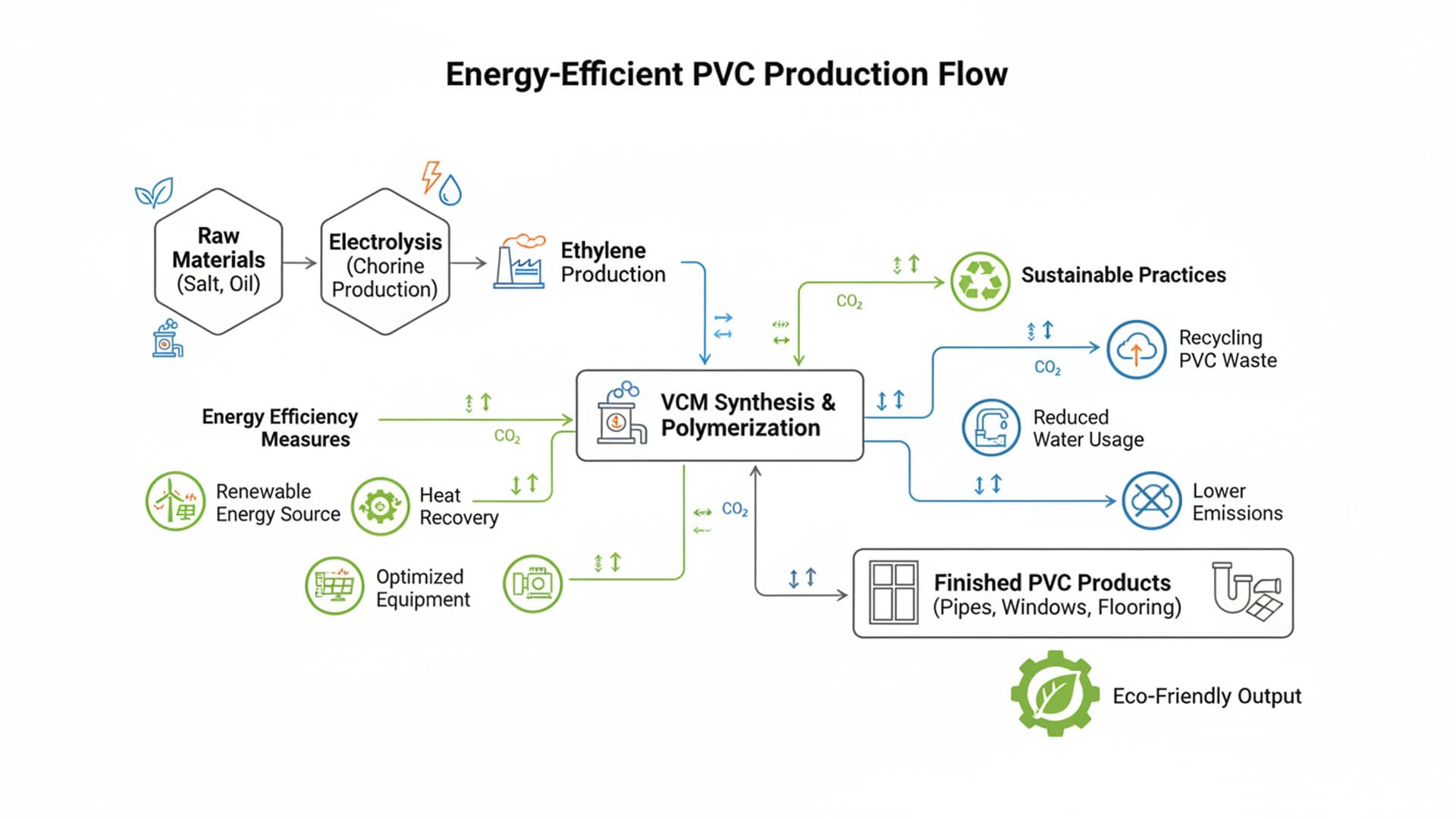
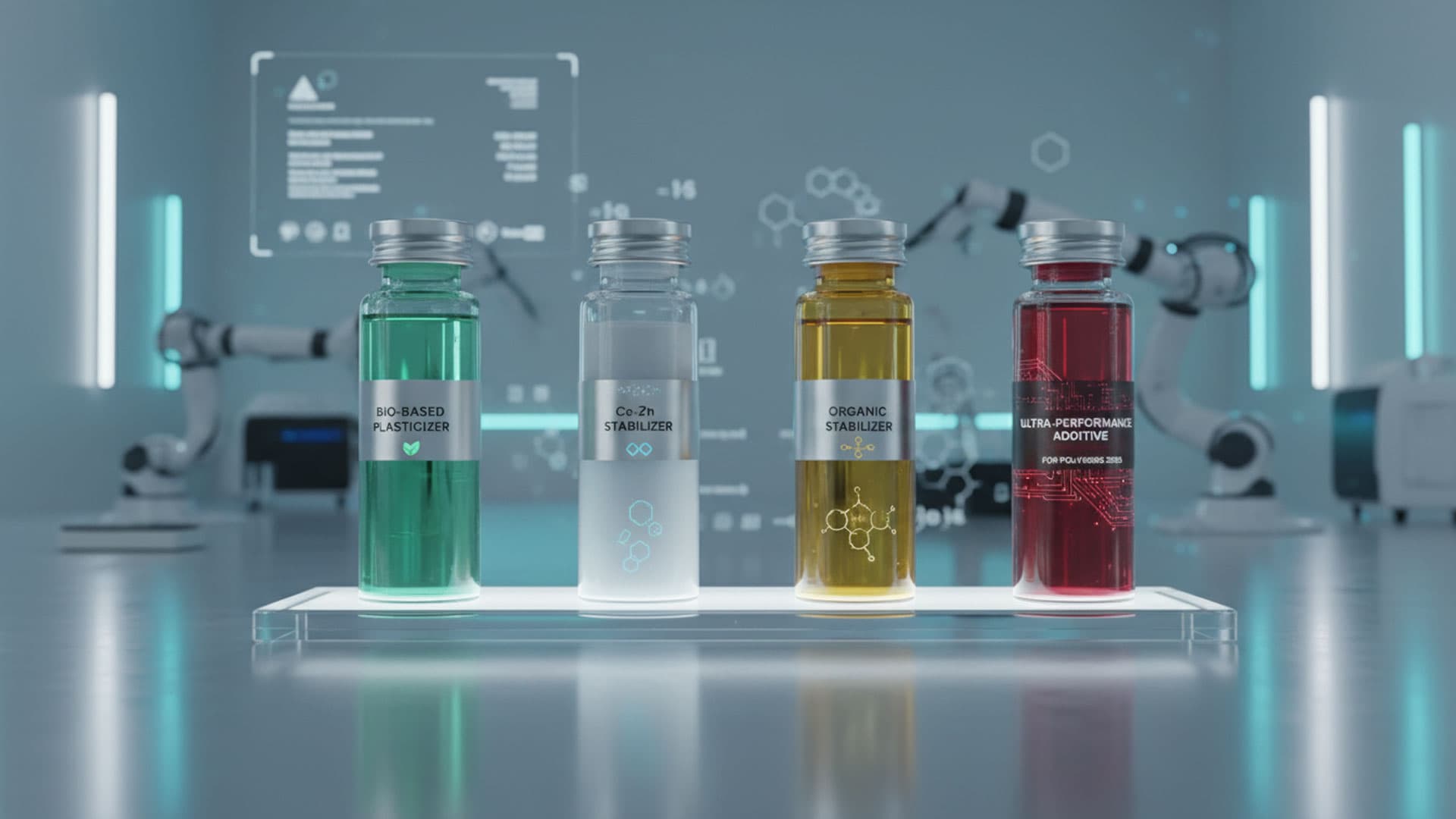
Technical progress needs comparable measurements. Before assessing a plasticizer or stabilizer change, fix the reference formulation, finished-product targets and test methods. This article provides a framework for a supplier discussion rather than reporting unverified annual achievements or savings for Plastay.
Which records should be retained?
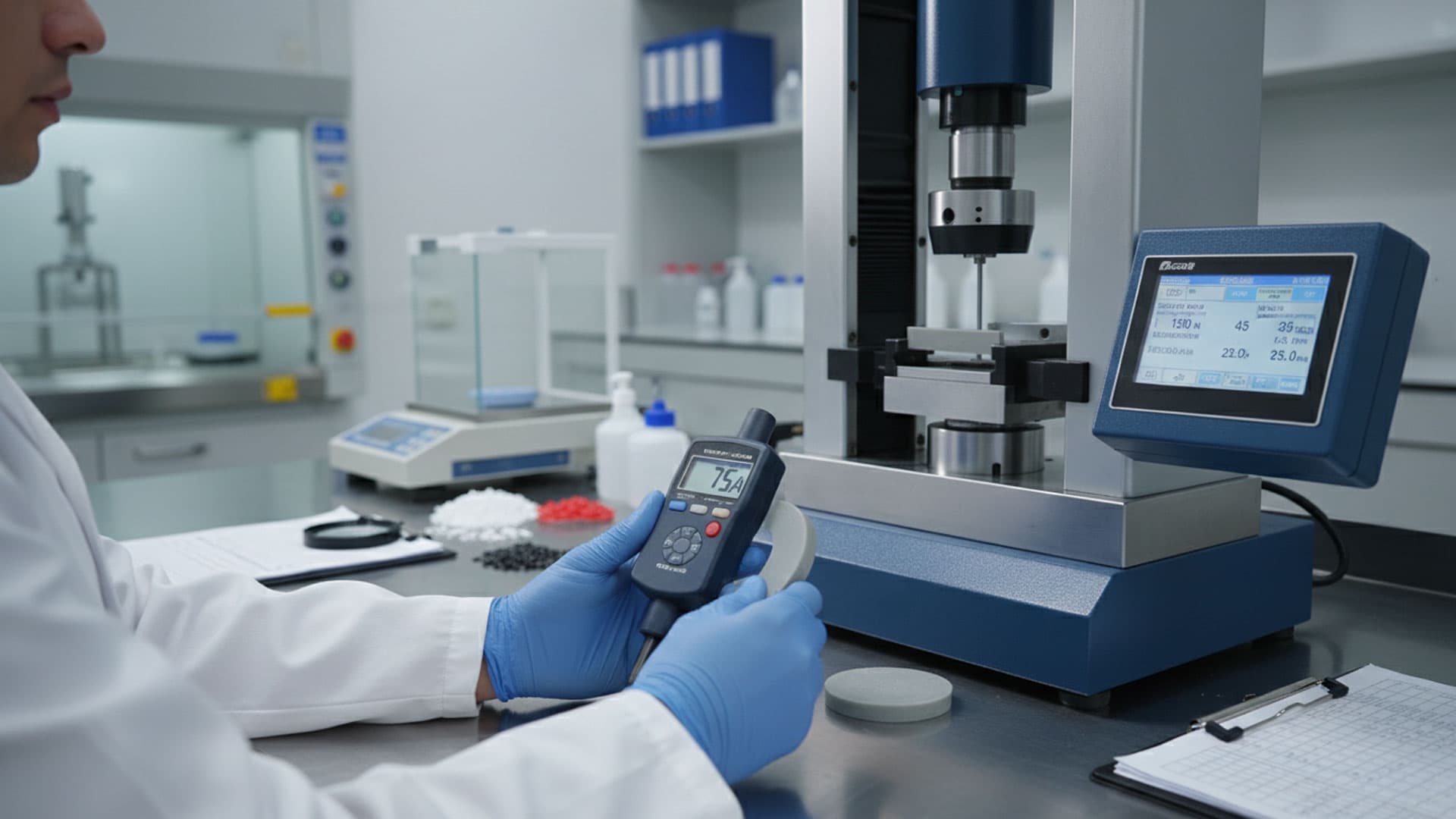
Keep batch numbers, raw-material certificates, process settings and test dates together. Do not evaluate a claimed improvement using initial hardness alone; compare properties that matter during service as well. Before scaling up, agree the pilot results and acceptance limits with the technical team in writing.
Related products and technical evaluation
Sunfleks DOTP — DOTP / DEHT plasticizer
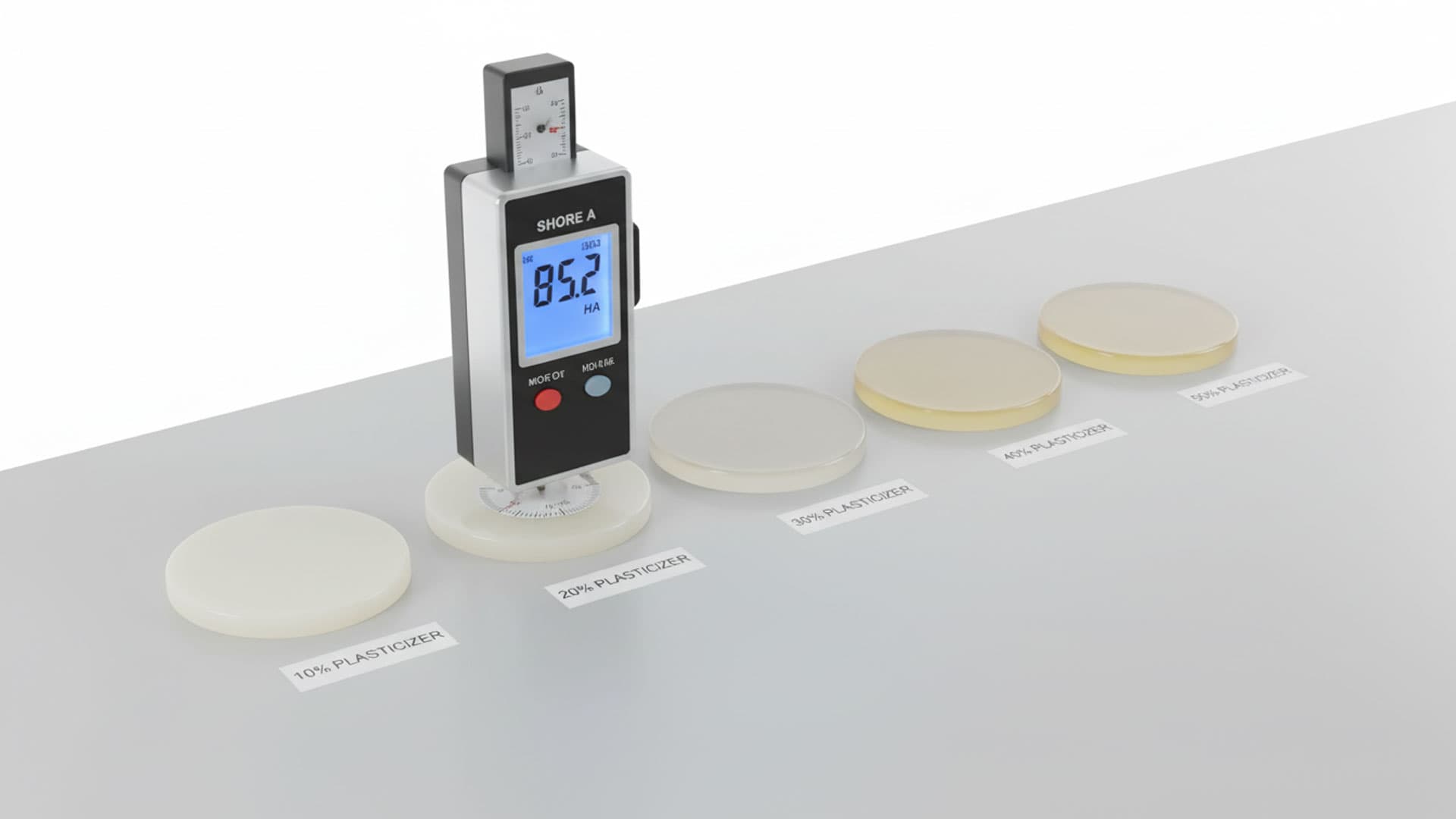
Select DOTP against the complete formulation: target Shore hardness, resin, filler loading, processing temperature and service conditions. When replacing DOP or DINP, validate the dosage in a pilot run and ageing tests rather than assuming identical mechanical performance at the same loading.
Discuss your application with the technical team →Optafleks TOTM — TOTM high-temperature plasticizer
Assess long-term heat ageing, mass loss and retention of mechanical properties together. TOTM viscosity may affect processing and mixing conditions. The raw material's flash point is not the continuous service temperature of the finished PVC article; validate temperature ratings through finished-product tests.
Discuss your application with the technical team →ASSAFE — Calcium-zinc (Ca-Zn) PVC stabilizer
Select a Ca-Zn system together with PVC resin, filler, plasticizer, lubrication balance and processing temperature. Initial colour and long-term thermal stability are distinct targets. Validate the grade and dosage through a production trial; the Ca-Zn designation is not automatic certification of the finished product.
Discuss your application with the technical team →