Updated: · Plastay Kimya
TOTM and DOA: selecting plasticizers for temperature requirements
TOTM and DOA address different selection goals.
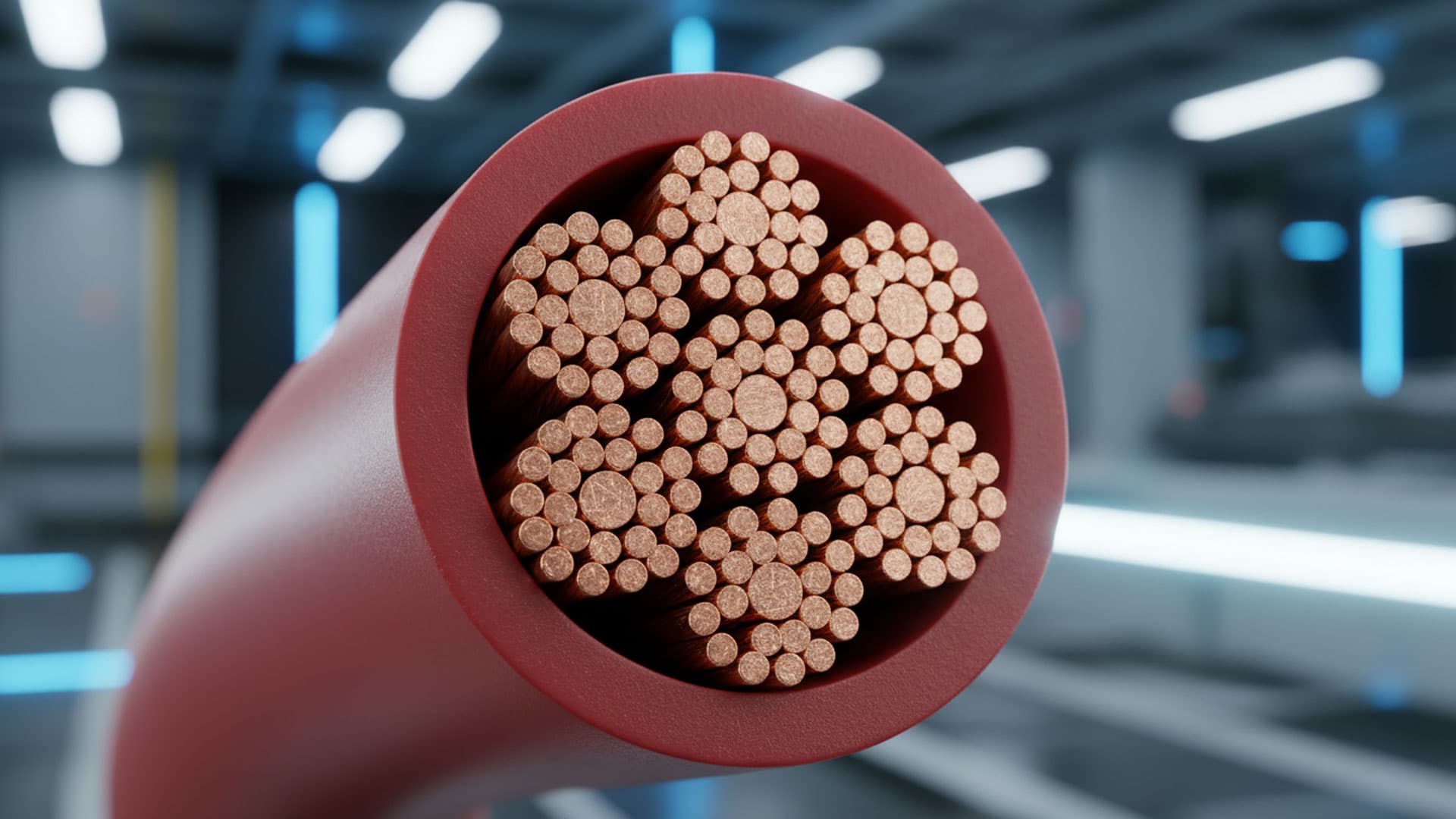
TOTM and DOA address different selection goals. TOTM is a trimellitate considered for high-temperature PVC applications where low volatility is needed. DOA is an adipate considered for low-temperature flexibility. Classifying DOA simply as a high-temperature plasticizer would therefore be misleading.
A comparison plan
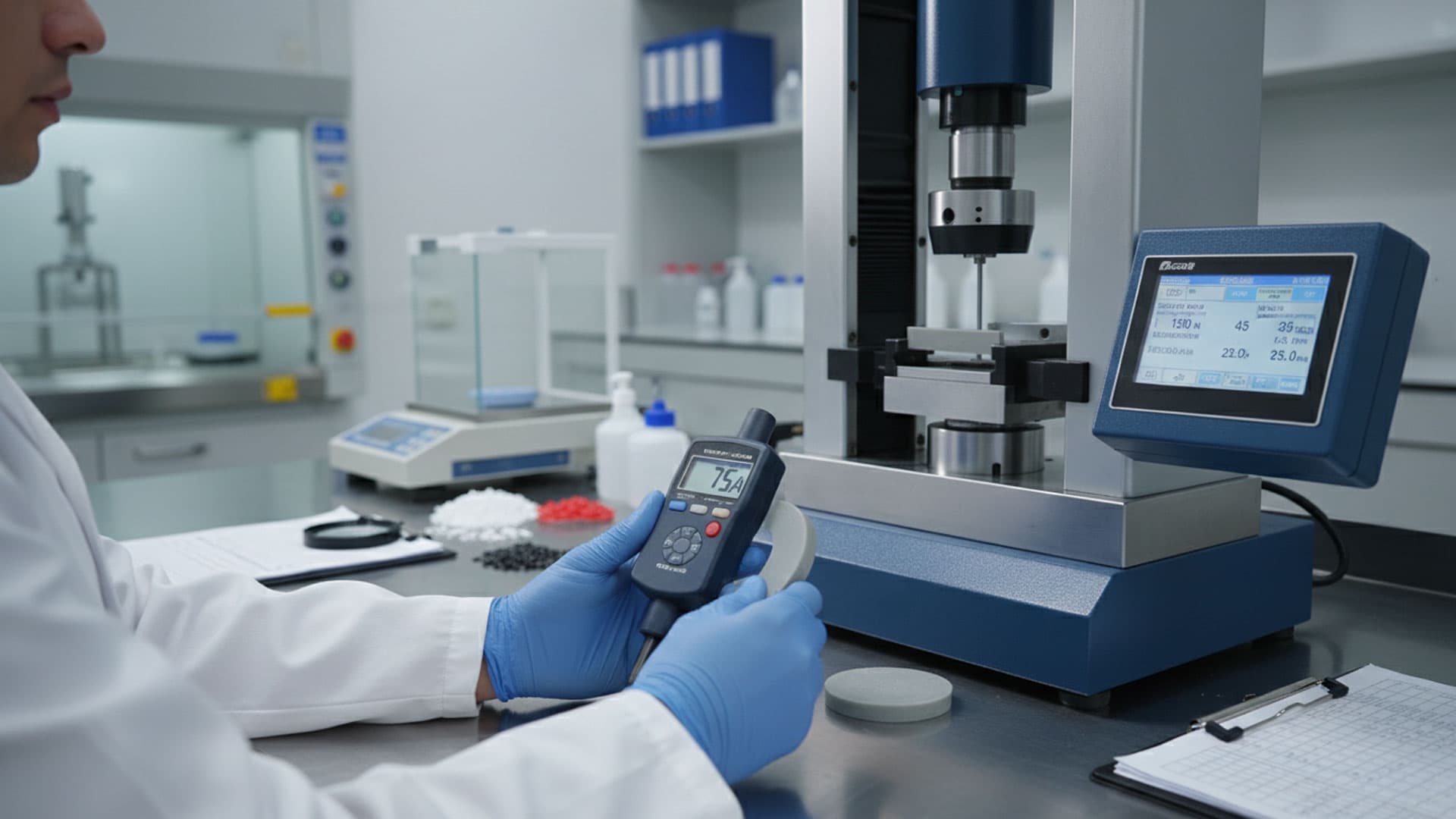
Define the service-temperature range and ageing duration first. For hot conditions, assess mass loss, hardness and mechanical changes; for cold conditions, use the relevant flexibility or brittleness test. Validate blends within the complete formulation. Request the current grade-specific TDS for TOTM, DOA or polymeric plasticizers rather than relying on a universal temperature rating.
Related products and technical evaluation
Optafleks TOTM — TOTM high-temperature plasticizer
Assess long-term heat ageing, mass loss and retention of mechanical properties together. TOTM viscosity may affect processing and mixing conditions. The raw material's flash point is not the continuous service temperature of the finished PVC article; validate temperature ratings through finished-product tests.
Discuss your application with the technical team →Optafleks DOA — DOA low-temperature plasticizer
Evaluate cold flexibility alongside migration and volatility targets when selecting DOA. Use alone or with other plasticizers depends on the formulation. Validate low-temperature performance through cold-bend and mechanical tests on the intended finished article.
Discuss your application with the technical team →Optafleks Polymeric 50 — Low-migration polymeric plasticizer
Define migration targets using the contact material, temperature and duration. Polymeric plasticizer selection also affects viscosity, mixing and processing. Plan mass-change, extraction or contact tests around the actual service scenario.
Discuss your application with the technical team →