Updated: · Plastay Kimya
Supply and application considerations in plasticizer selection
Choosing a plasticizer involves both technical and supply decisions.
Choosing a plasticizer involves both technical and supply decisions. End-use requirements may differ for DOTP, DINP and trimellitates. A market trend or a single cost advantage does not by itself justify changing raw materials. This guide does not provide unverified market-share or price forecasts.
Qualifying an alternative supplier
Compare chemical identity and purity specifications, distinguishing the SDS from the batch certificate of analysis. Plan pilot trials, storage requirements and lead times when qualifying a second source. Check permitted-use requirements in the destination market; the same chemical abbreviation does not mean every grade is equivalent.
Related products and technical evaluation
Sunfleks DOTP — DOTP / DEHT plasticizer
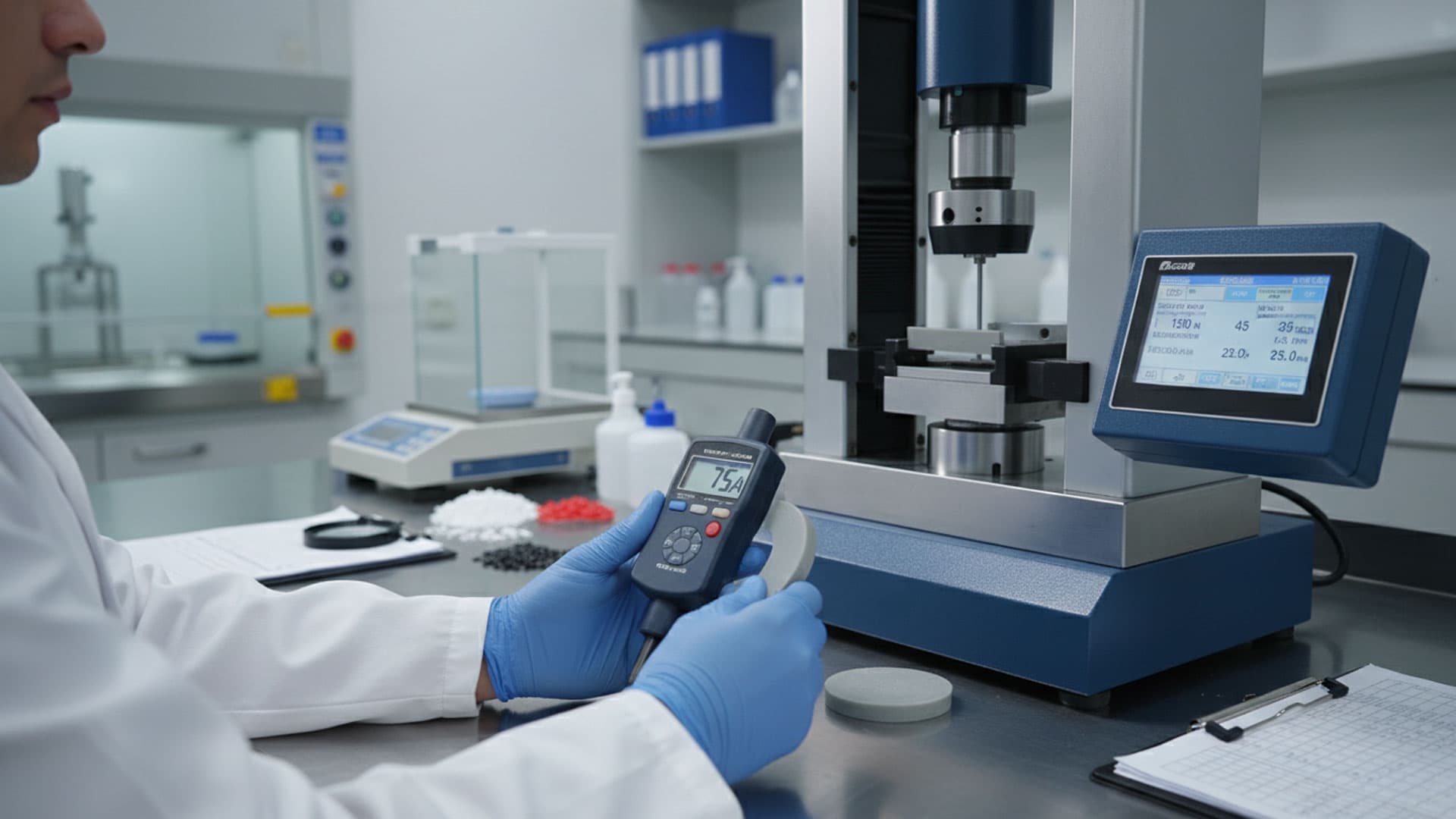
Select DOTP against the complete formulation: target Shore hardness, resin, filler loading, processing temperature and service conditions. When replacing DOP or DINP, validate the dosage in a pilot run and ageing tests rather than assuming identical mechanical performance at the same loading.
Discuss your application with the technical team →Inafleks DINP — DINP PVC plasticizer
Select DINP against hardness, mechanical performance, volatility and destination-market requirements. Check permitted use for sensitive application categories using current documentation. Compare it with DOTP or DOP using the same PVC resin and test conditions.
Discuss your application with the technical team →Optafleks TOTM — TOTM high-temperature plasticizer
Assess long-term heat ageing, mass loss and retention of mechanical properties together. TOTM viscosity may affect processing and mixing conditions. The raw material's flash point is not the continuous service temperature of the finished PVC article; validate temperature ratings through finished-product tests.
Discuss your application with the technical team →