Updated: · Plastay Kimya
How to measure environmental impact in PVC production
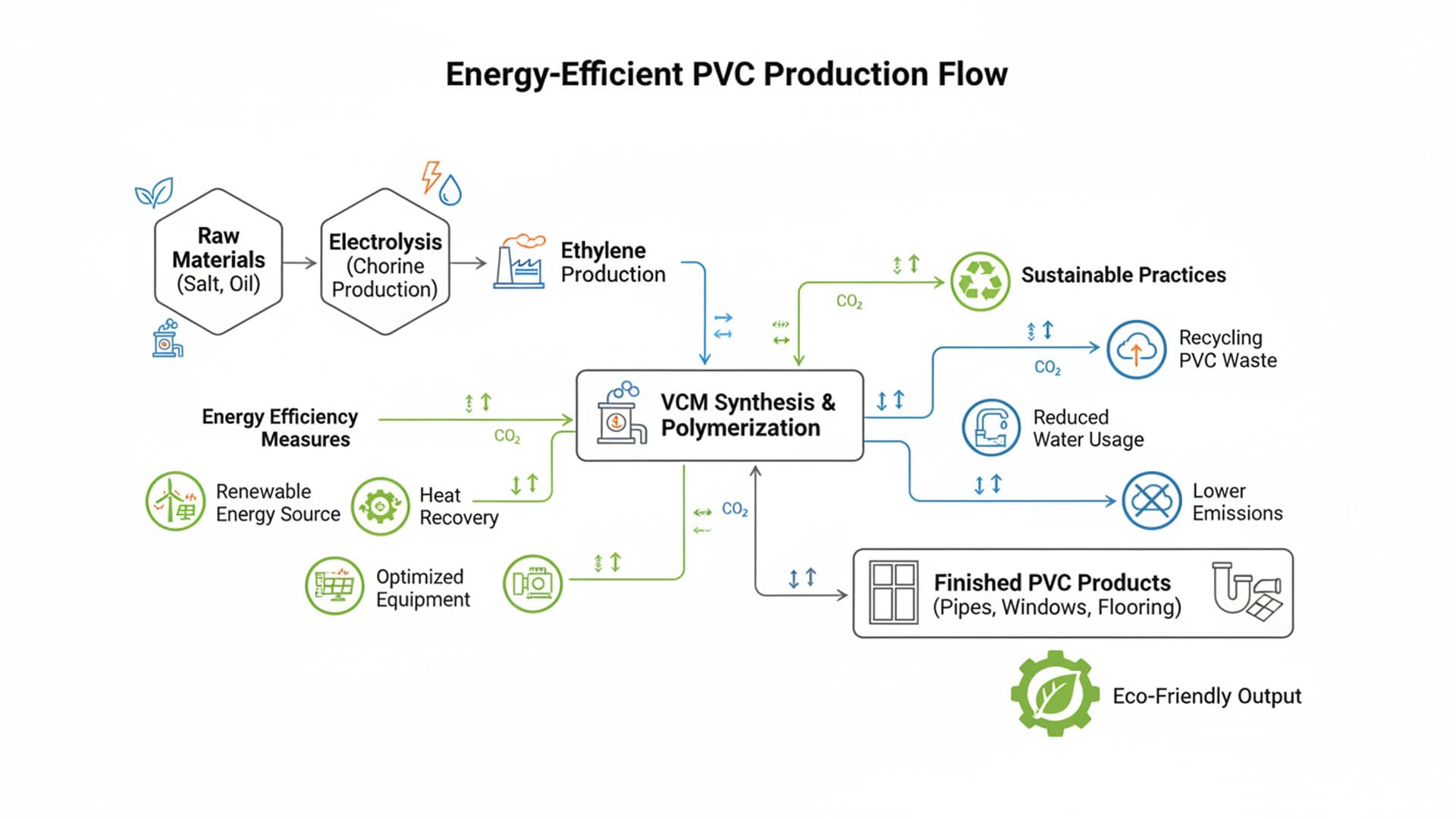
A claim about reducing environmental impact needs a baseline and a clear scope.
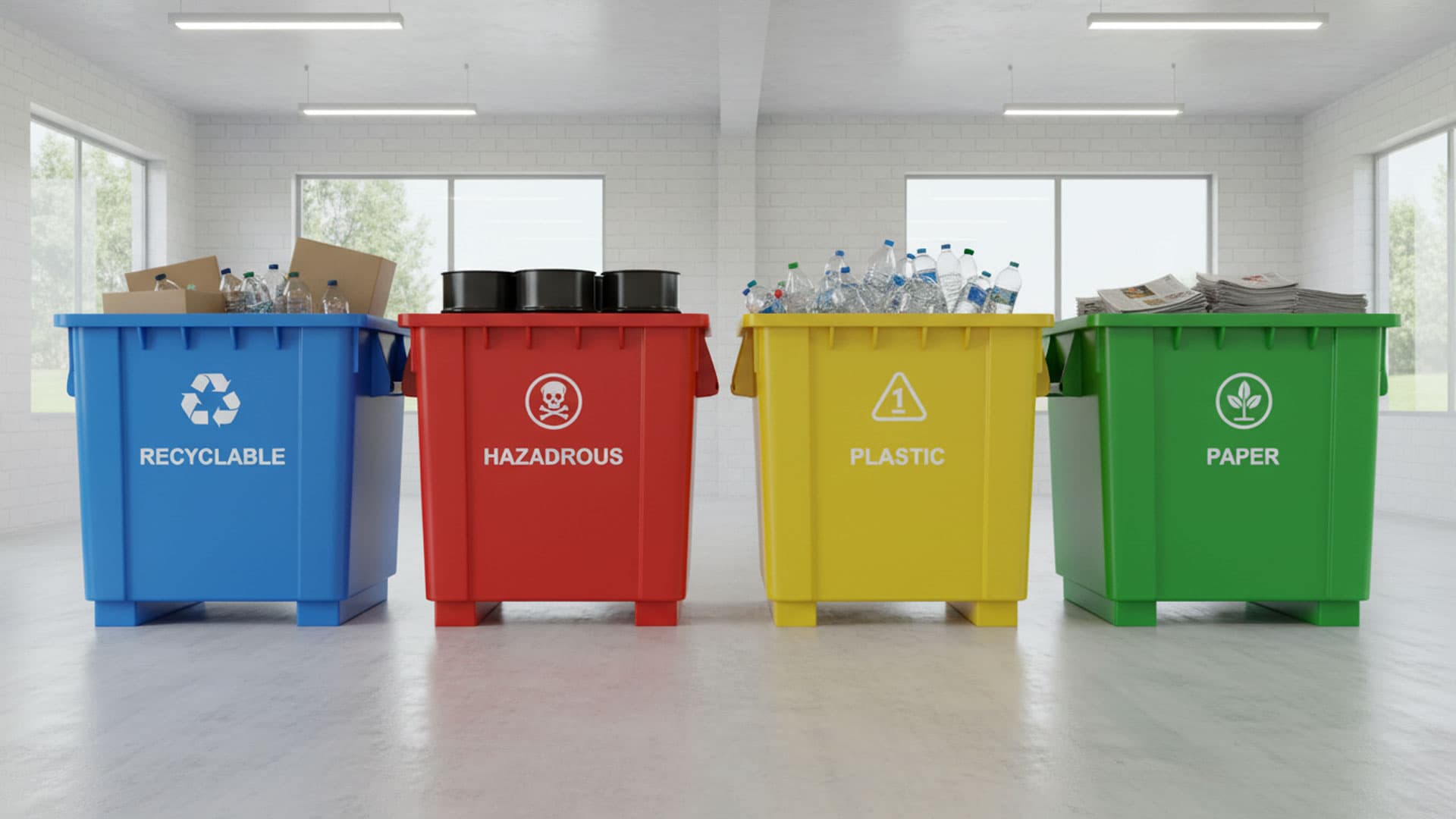
A claim about reducing environmental impact needs a baseline and a clear scope. Energy, water, scrap and waste are different measures; distinguish total consumption from consumption per unit of product. This guide does not assert independently verified savings percentages or emissions results for Plastay.
A comparison framework
Record the reporting period, output and product mix. Use the same measurement method before and after a change. Quantities and destinations should be traceable for reuse or recycling of waste. In supplier assessment, request current quality documents and the scope of any environmental data; a certificate name alone does not indicate a product's carbon footprint.
Related products and technical evaluation
Plastay Compounds — Soft and rigid PVC compound / granules
Start compound selection with the application, process and performance target. Assess hardness, flexibility and ageing for soft PVC; dimensional stability, impact and processing for rigid PVC. Portfolio ranges shown here are not guaranteed values for a single grade. Request a grade-specific data sheet and sample.
Discuss your application with the technical team →ASSAFE — Calcium-zinc (Ca-Zn) PVC stabilizer
Select a Ca-Zn system together with PVC resin, filler, plasticizer, lubrication balance and processing temperature. Initial colour and long-term thermal stability are distinct targets. Validate the grade and dosage through a production trial; the Ca-Zn designation is not automatic certification of the finished product.
Discuss your application with the technical team →