Updated: · Plastay Kimya
What is the difference between phthalate and non-phthalate plasticizers?
Do not infer chemical family from similar abbreviations.
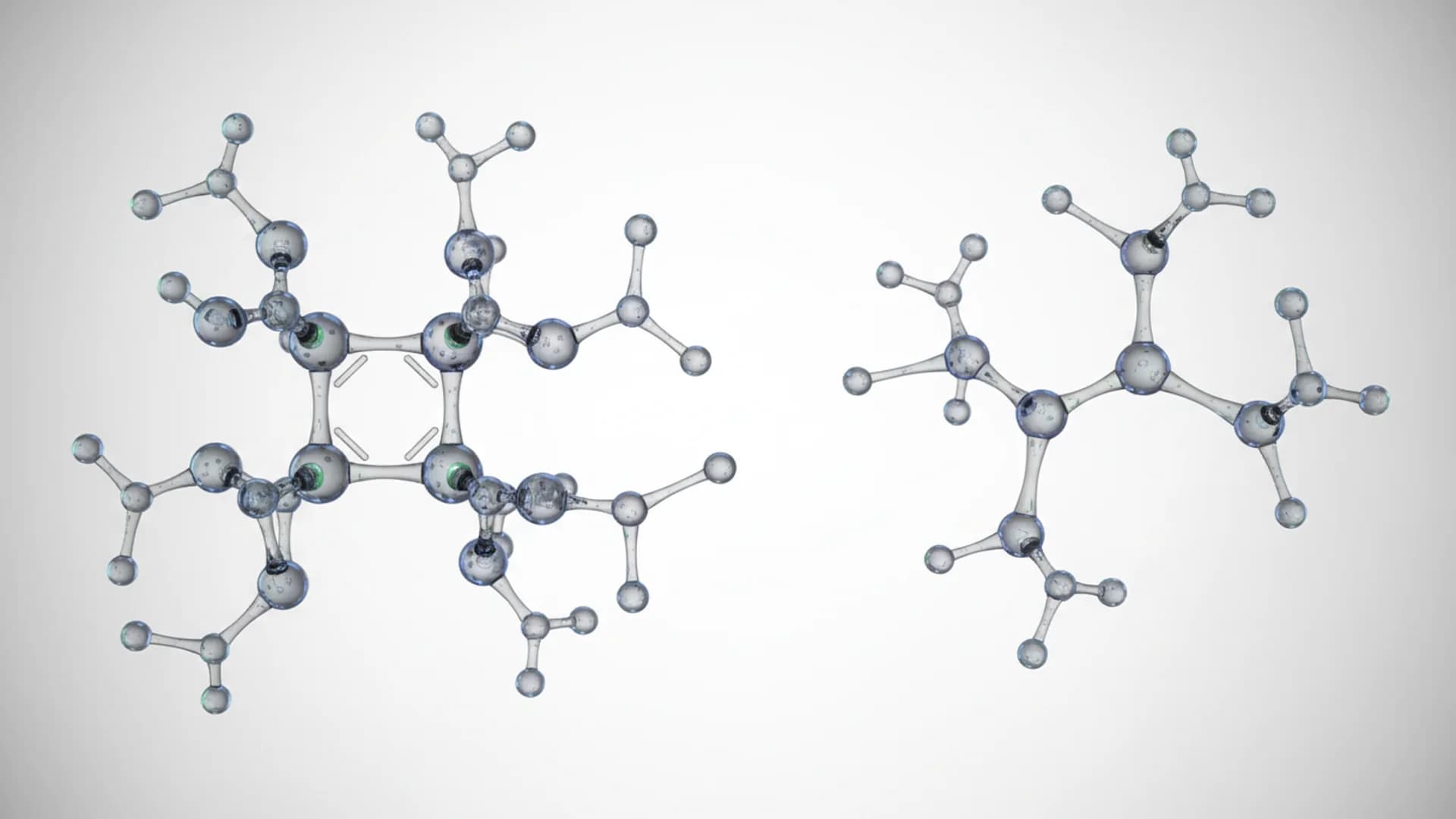
Do not infer chemical family from similar abbreviations. DOTP / DEHT is a terephthalate distinguished from orthophthalate plasticizers. DINP and DOP / DEHP are considered within the orthophthalate family. Use product name, chemical identity and CAS number together in orders and technical files.
Does chemical family determine performance?
Chemical classification alone does not determine flexibility, migration or application suitability. Formulation and ageing tests are needed in the target product. A non-phthalate designation does not answer every safety or environmental question; review the SDS, use conditions and destination-market requirements separately. Validate grade and dosage when changing the existing plasticizer.
Suitability for use
Do not infer a universal prohibition or permission covering all products and countries for DOP / DEHP or DINP. Requirements depend on substance, concentration, product category and market. Technical documentation and regulatory declarations serve different purposes.
Related products and technical evaluation
Sunfleks DOTP — DOTP / DEHT plasticizer
Select DOTP against the complete formulation: target Shore hardness, resin, filler loading, processing temperature and service conditions. When replacing DOP or DINP, validate the dosage in a pilot run and ageing tests rather than assuming identical mechanical performance at the same loading.
Discuss your application with the technical team →Inafleks DINP — DINP PVC plasticizer
Select DINP against hardness, mechanical performance, volatility and destination-market requirements. Check permitted use for sensitive application categories using current documentation. Compare it with DOTP or DOP using the same PVC resin and test conditions.
Discuss your application with the technical team →Versafleks DOP — DOP / DEHP PVC plasticizer
Check current requirements for the destination country and finished-product category before selecting DOP / DEHP. Processing performance does not establish permitted use or product compliance. Compare alternative plasticizers for formulation cost, hardness and migration under identical test conditions.
Discuss your application with the technical team →