Updated: · Plastay Kimya
Flame-retardant PVC compounds: tests and specifications
Fire behaviour cannot be inferred from an additive name or PVC chemistry alone.
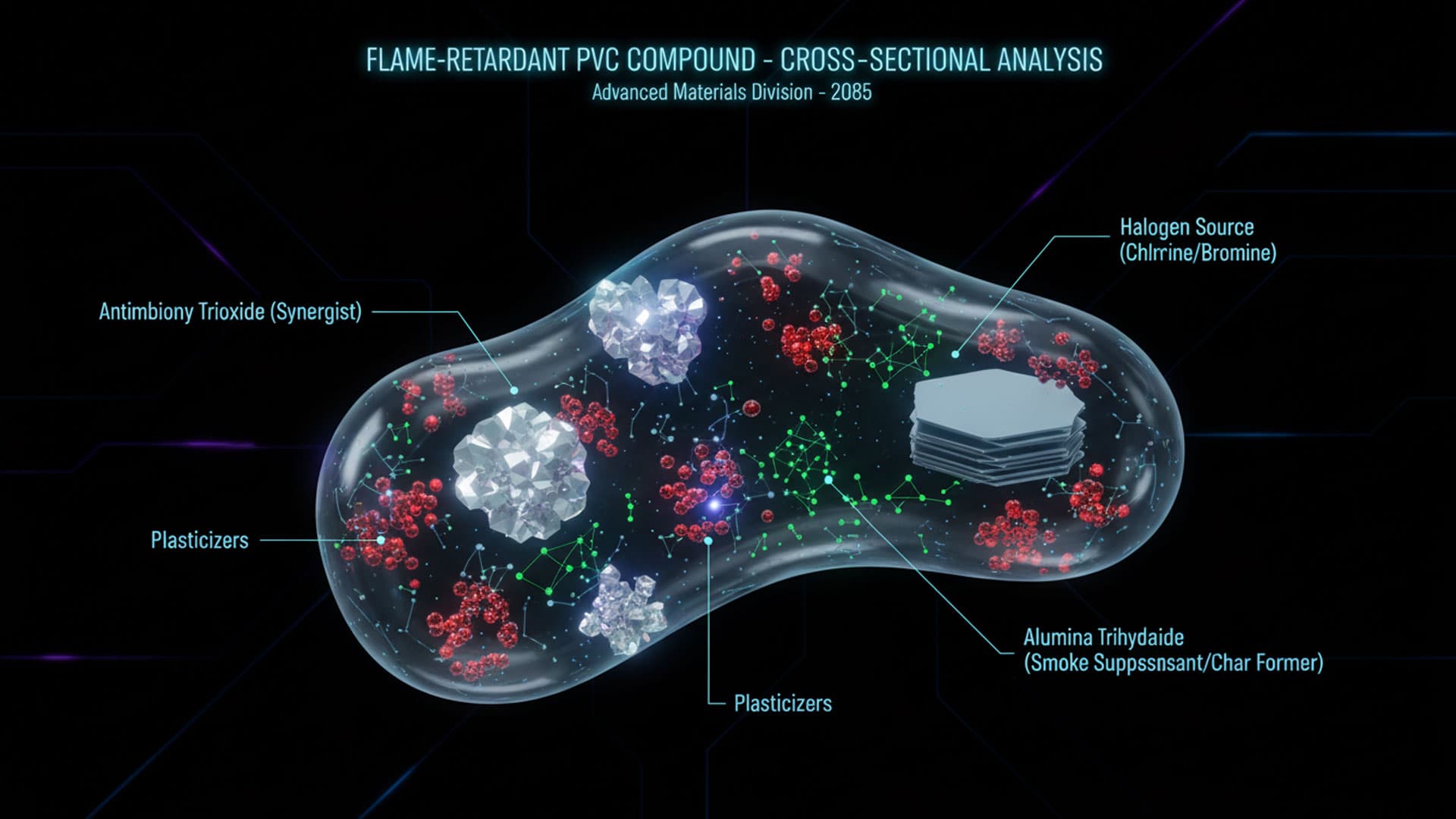
Fire behaviour cannot be inferred from an additive name or PVC chemistry alone. The full formulation, product geometry and test method affect the result. Flame retardancy, low smoke and fire resistance describe different performance characteristics. A material containing PVC should not be described as halogen-free.
From material assessment to product testing
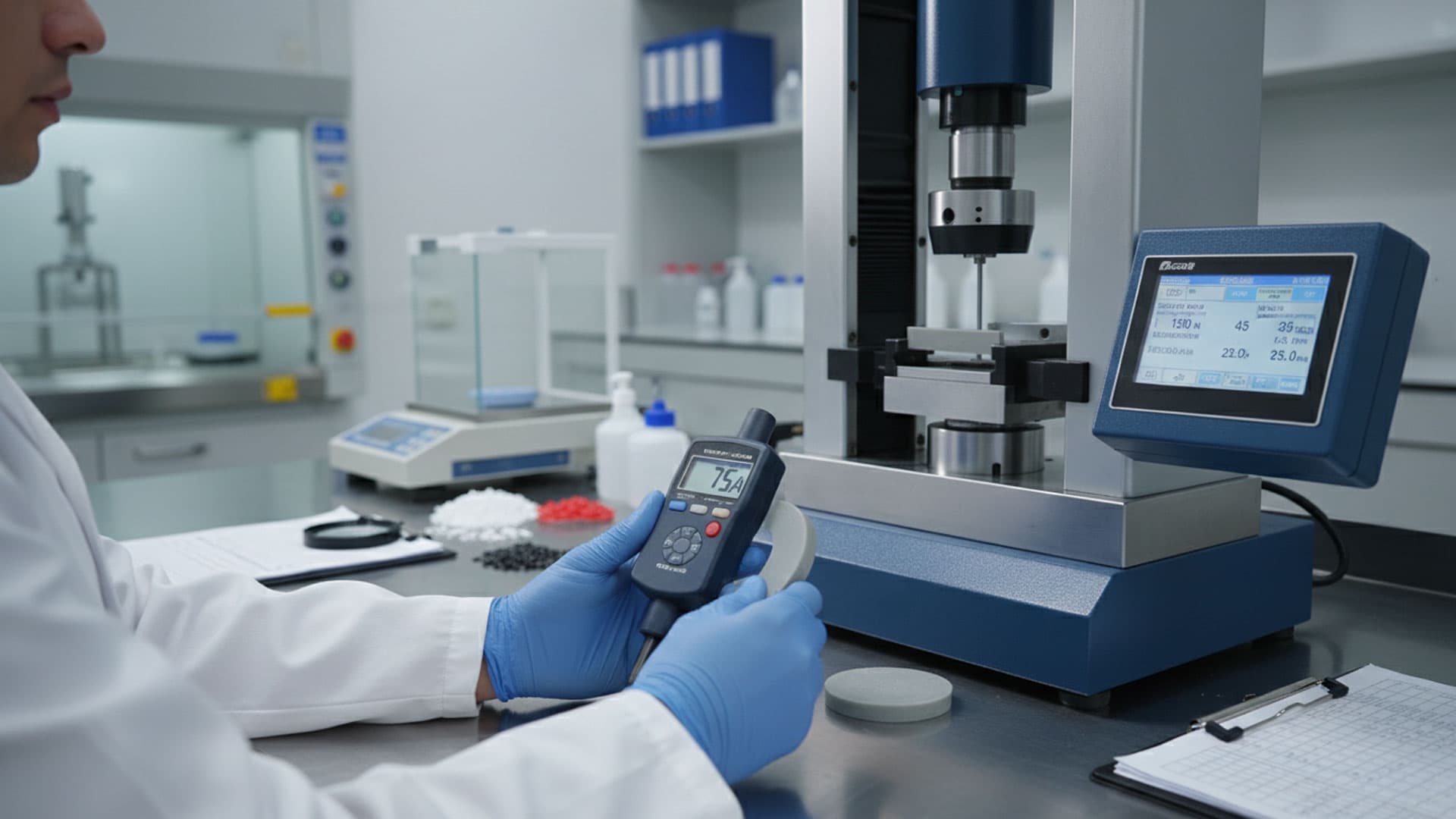
First identify the applicable standard and required classification. A final cable or construction-product test may differ from a screening test on compound specimens. Prepare samples under representative production conditions and check formulation identity and dimensions in the report. Passing one test does not establish that every fire-performance requirement has been met.
Related products and technical evaluation
Plastay Compounds — Flexible and rigid PVC compound
Start compound selection with the application, process and performance target. Assess hardness, flexibility and ageing for soft PVC; dimensional stability, impact and processing for rigid PVC. Portfolio ranges shown here are not guaranteed values for a single grade. Request a grade-specific data sheet and sample.
Discuss your application with the technical team →ASSAFE — Calcium-zinc (Ca-Zn) PVC stabilizer
Select a Ca-Zn system together with PVC resin, filler, plasticizer, lubrication balance and processing temperature. Initial colour and long-term thermal stability are distinct targets. Validate the grade and dosage through a production trial; the Ca-Zn designation is not automatic certification of the finished product.
Discuss your application with the technical team →