PVC plasticizer migration: test planning and interpreting results
When flexible PVC develops an oily surface or affects an adjacent material, changing the plasticizer name alone is an incomplete response. A useful migration assessment considers actual contact conditions and the entire formulation.
When flexible PVC develops an oily surface or affects an adjacent material, changing the plasticizer name alone is an incomplete response. A useful migration assessment considers actual contact conditions and the entire formulation.
Separate migration, volatility and extraction
Contact migration concerns transfer into an adjacent material. Heat-related mass loss and removal of constituents by a liquid medium are different experiments. Results from these tests are not interchangeable. Establish whether the problem appears during dry contact, heating or liquid exposure before choosing a measurement method.
Build a comparable test record
ISO 177 describes a method for assessing plasticizer migration tendencies between plastics and materials in close contact. Confirm the current standard and its scope with the laboratory. A single total mass change does not identify the constituent responsible: transfer or loss of other components can also affect the result.
- Record the reference formulation, candidate formulation and raw-material batches.
- Define the contacting material, surface area, specimen thickness and contact arrangement.
- Keep temperature, duration, conditioning and weighing conditions consistent.
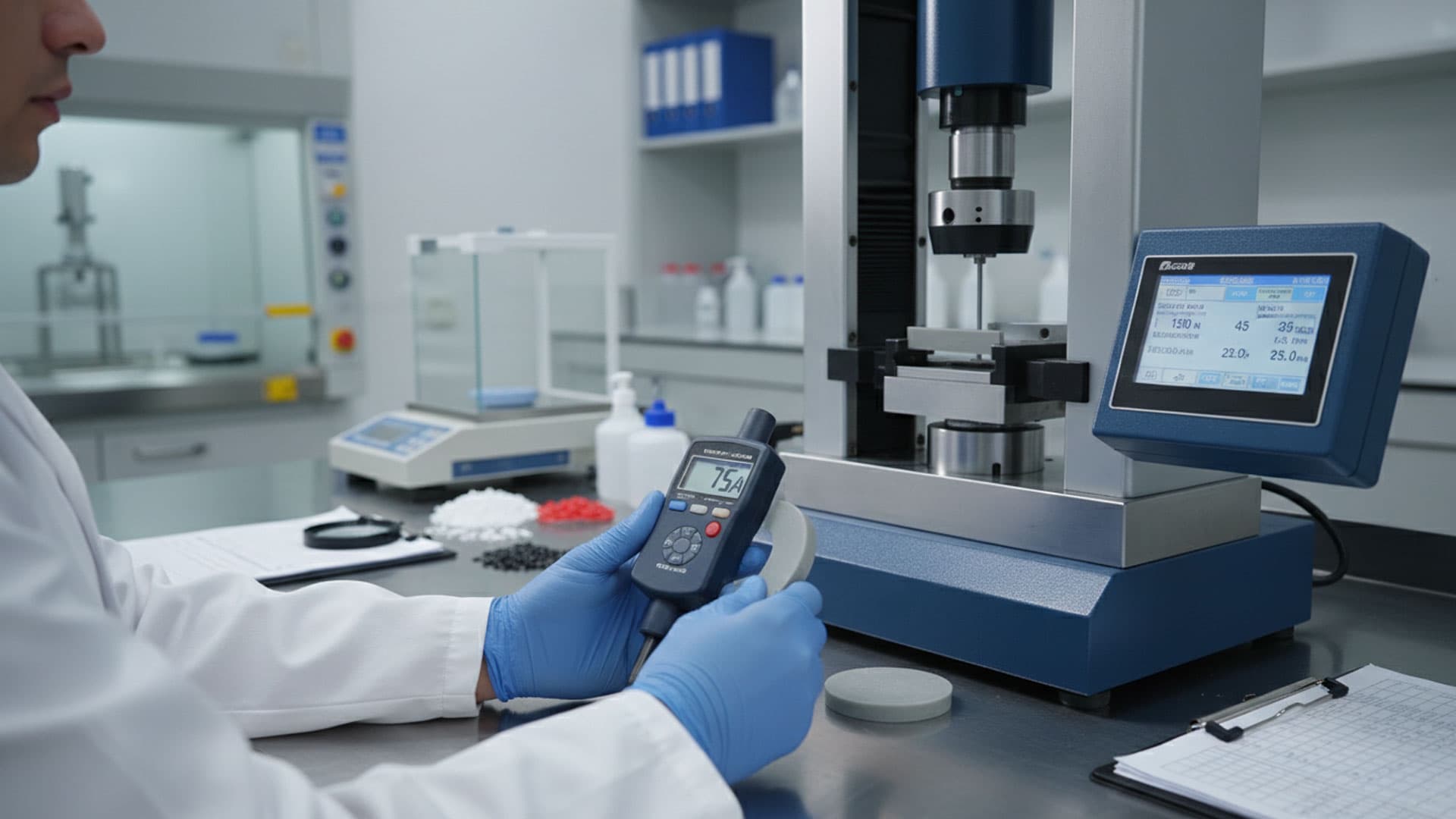
- Record mass, appearance, tackiness and hardness before and after exposure.
- Agree the number of replicates and acceptance criteria before testing.
When should a polymeric plasticizer be considered?
Optafleks Polymeric 50 is a polymeric ester and a candidate for PVC formulations targeting low migration. The product family alone does not guarantee performance against a particular contacting material. When comparing it with a TOTM-containing reference, consider comparable target hardness and processing conditions as well as plasticizer loading.
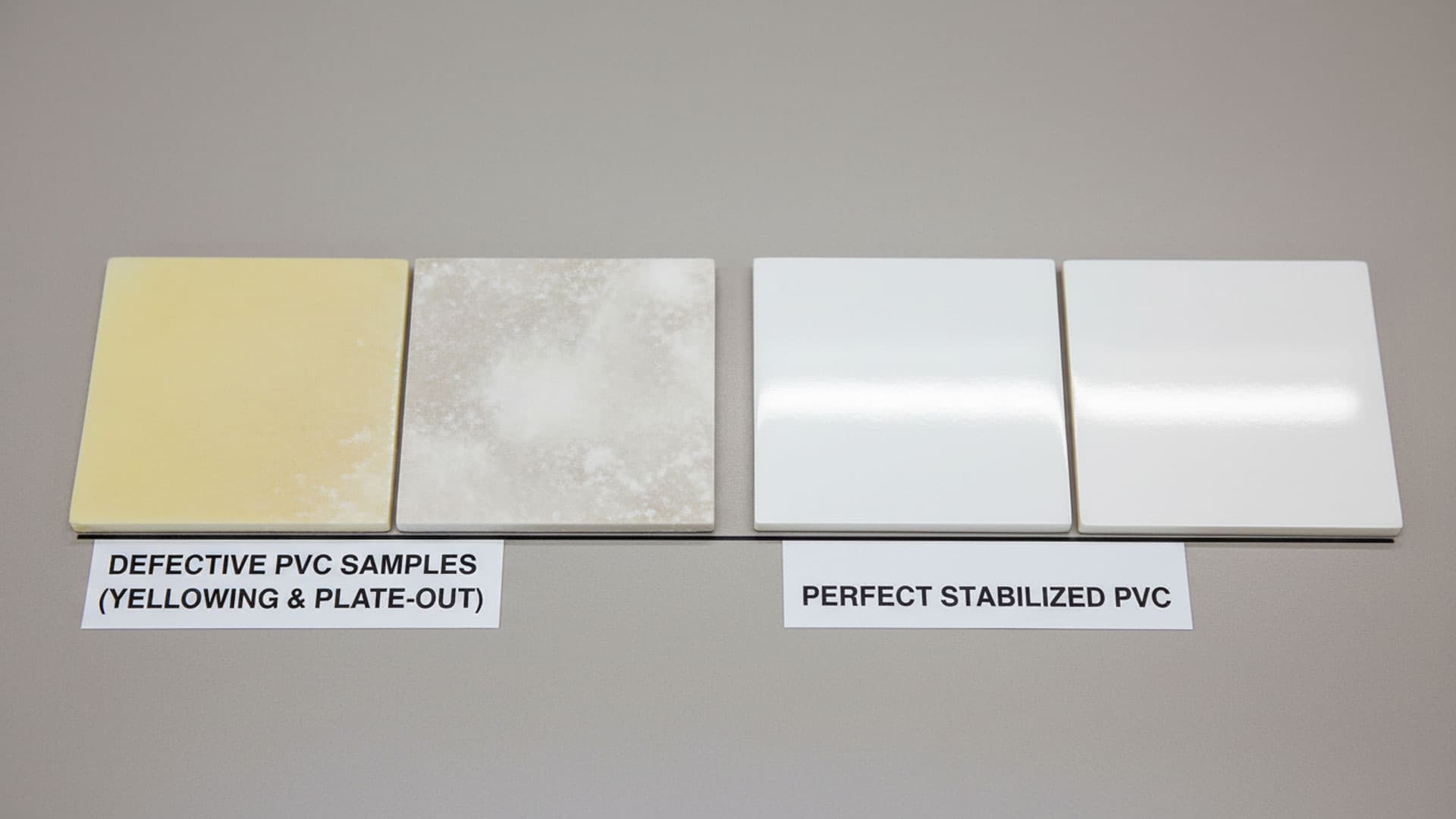
Create separate columns for formulation code, initial hardness, contact conditions, mass change and hardness after ageing. Document appearance under consistent lighting. Preserve borderline results alongside passing and failing specimens; reporting only the best specimen weakens the decision.
Turn findings into a purchasing specification
Avoid an undefined requirement such as “zero migration”. Specify an acceptance limit and measurement method appropriate to the material touching the finished product. Follow the initial experiment with longer exposure conditions and specimens taken from production. Include the contacting material, service temperature and current formulation problem when requesting technical support.
Related products and technical evaluation
Optafleks Polymeric 50 — Low-migration polymeric plasticizer
Define migration targets using the contact material, temperature and duration. Polymeric plasticizer selection also affects viscosity, mixing and processing. Plan mass-change, extraction or contact tests around the actual service scenario.
Discuss your application with the technical team →Optafleks TOTM — TOTM high-temperature plasticizer
Assess long-term heat ageing, mass loss and retention of mechanical properties together. TOTM viscosity may affect processing and mixing conditions. The raw material's flash point is not the continuous service temperature of the finished PVC article; validate temperature ratings through finished-product tests.
Discuss your application with the technical team →